A concrete action to regenerate the territory through beekeeping.
The forest fires that marked last summer had profound consequences for the country.
In addition to environmental destruction, they directly affected economic activities linked to agriculture and forestry—including beekeeping.
The forest fires that marked last summer had profound consequences for the country.
In addition to environmental destruction, they directly affected economic activities linked to agriculture and forestry—including beekeeping.
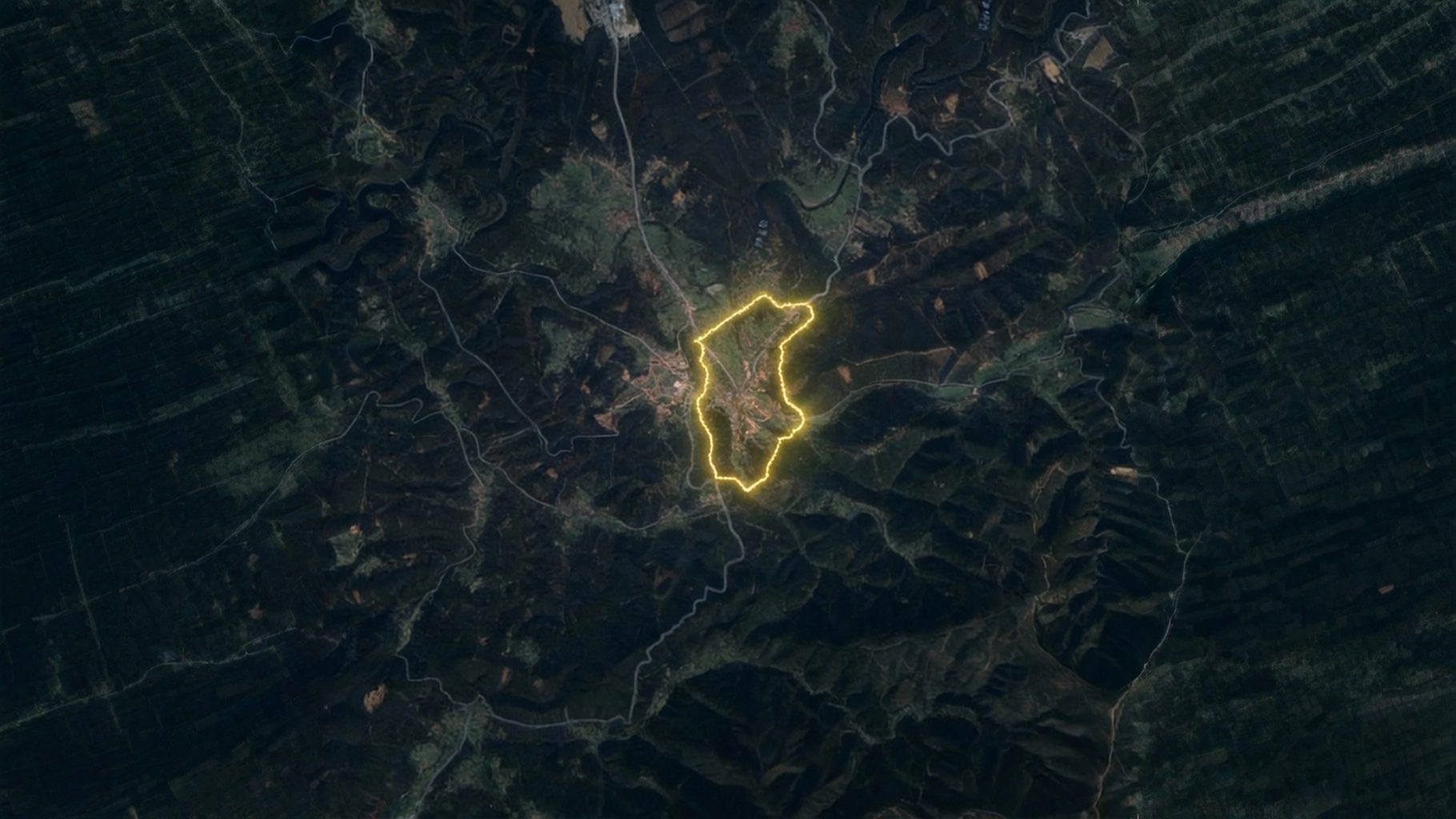
In the region of Arganil and neighboring municipalities, one of the hardest hit:
The loss of apiaries compromises not only bee production, but also the pollination processes that are essential for environmental and agricultural regeneration.
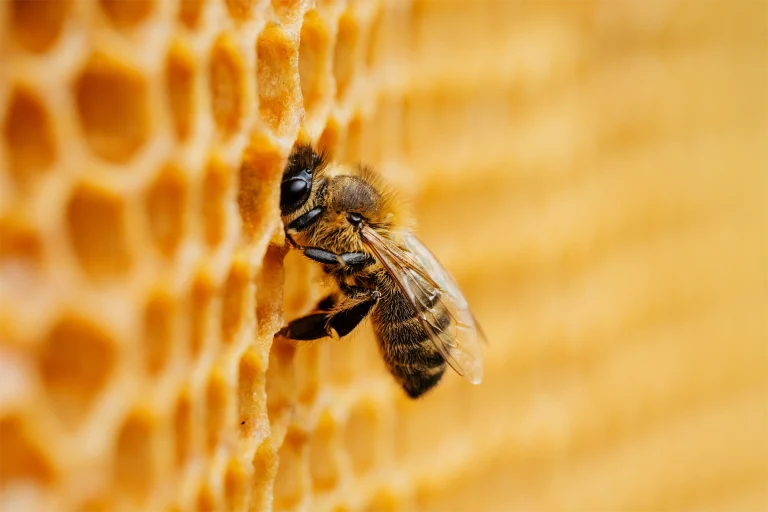
Bees are silent agents of biodiversity.
They are responsible for pollinating most of the agricultural crops that feed us and play a central role in the balance of ecosystems.
A beehive is not just a means of production.
It is a living infrastructure.
100 beehives have already been delivered to support the reconstruction of apiaries in Arganil, directly contributing to:
This is the first phase of a regeneration model that we want to continue to scale up, with the involvement of companies and partners.
100 beehives have already been delivered to support the reconstruction of apiaries in Arganil, directly contributing to:
the resumption of beekeeping activity;
the livelihood of affected beekeepers;
support for communities that depend on this activity.
This is the first phase of a regeneration model that we want to continue to scale up, with the involvement of companies and partners.
Each Regenerate Unit corresponds to the delivery of a new beehive to beekeepers affected by the fires.
Each hive supported represents:
We are not talking about one-off aid here.
We are talking about restoring the productive capacity of beekeepers affected by the fires.
Each Regenerate Unit corresponds to the delivery of a new beehive to beekeepers affected by the fires.
Each hive supported represents:
economic autonomy for a beekeeper;
habitat for thousands of bees;
restoration of natural pollination processes;
environmental and social regeneration of the territory.
We are not talking about one-off aid here.
We are talking about restoring the productive capacity of beekeepers affected by the fires.
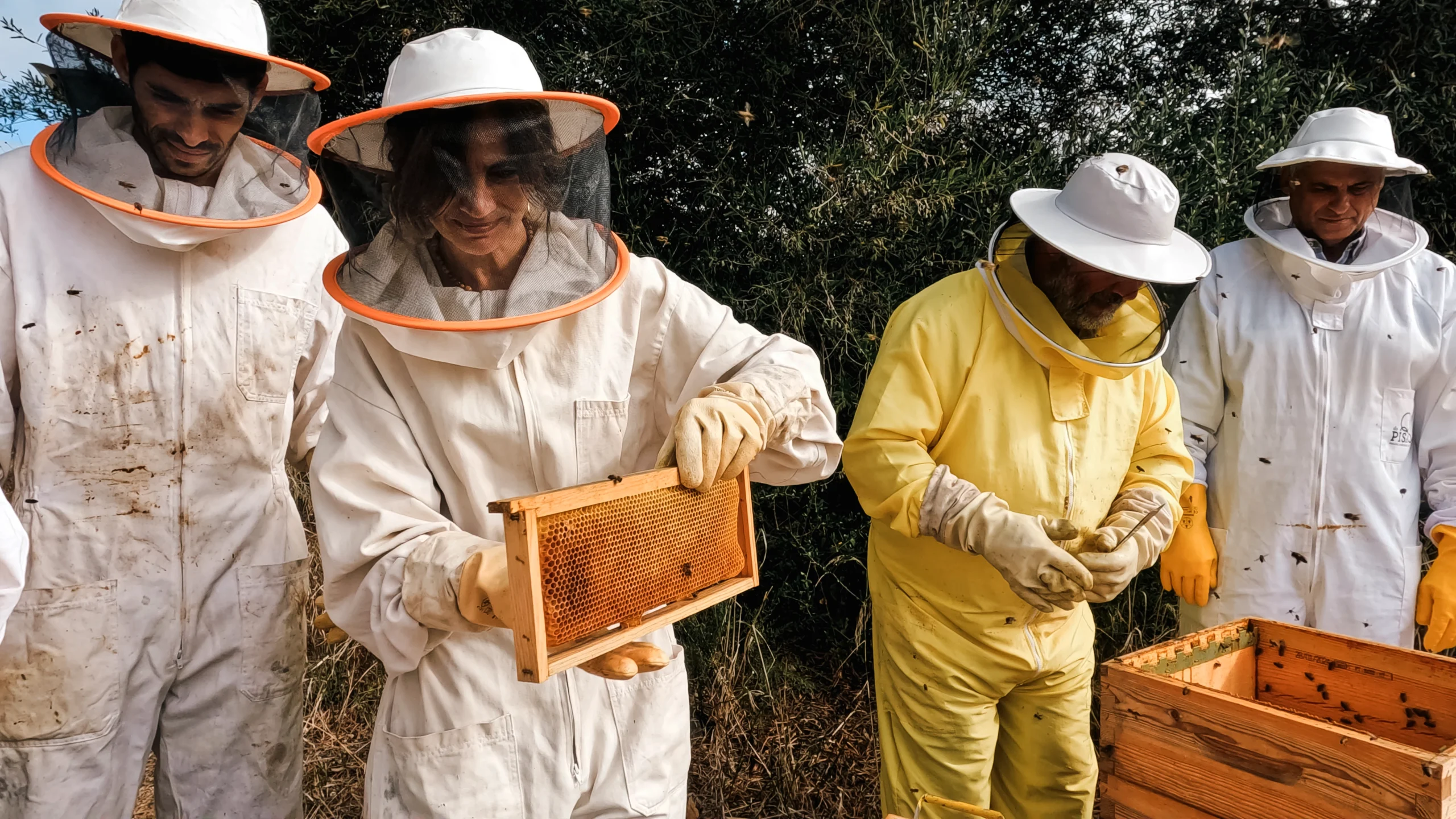
REGENERA hives are produced in Portugal by Casa do Apicultor, a leading national entity in the beekeeping sector, recognized for its technical excellence and production quality.
The initiative is also supported by Telmo Cabral, a beekeeper and trainer with extensive experience in natural and sustainable beekeeping, ensuring technical rigor in implementation, proximity to local communities, and real impact on the ground.
This project is carried out with those who know the territory and beekeeping inside out.
A beehive is much more than that.
Bees produce honey, wax, pollen, propolis, royal jelly, and, above all, pollination.
Each active beehive contributes to the regeneration of the land, biodiversity, and the communities that depend on it—in a true One Health approach.
Companies and organizations can support a free number of REGENERA Units, according to their capacity for involvement.
The process is simple and transparent:
Each contribution translates into real environmental, economic, and social impact.
Each hive supported means: protected biodiversity, revitalized local economy and future restored to the region
How does it work? It’s simple and fast:
Each hive supported means:
How does it work? It’s simple and fast: